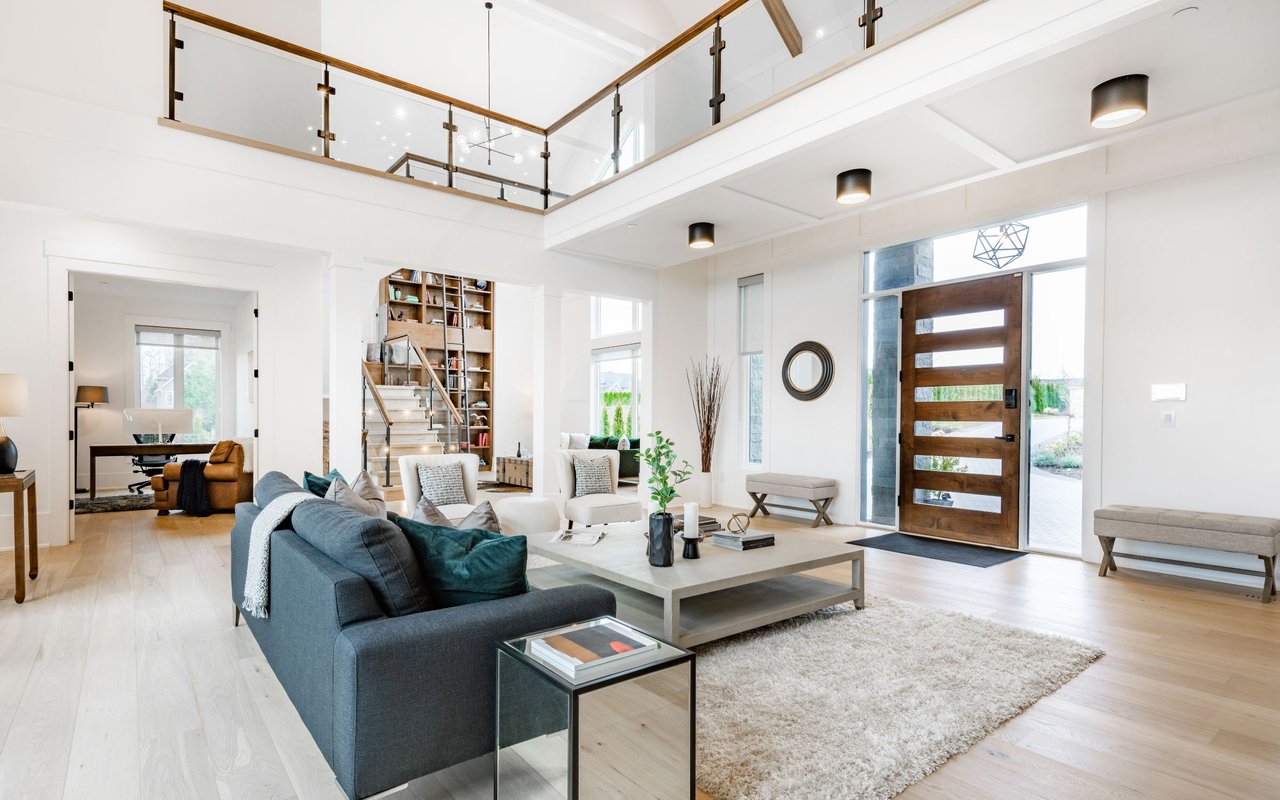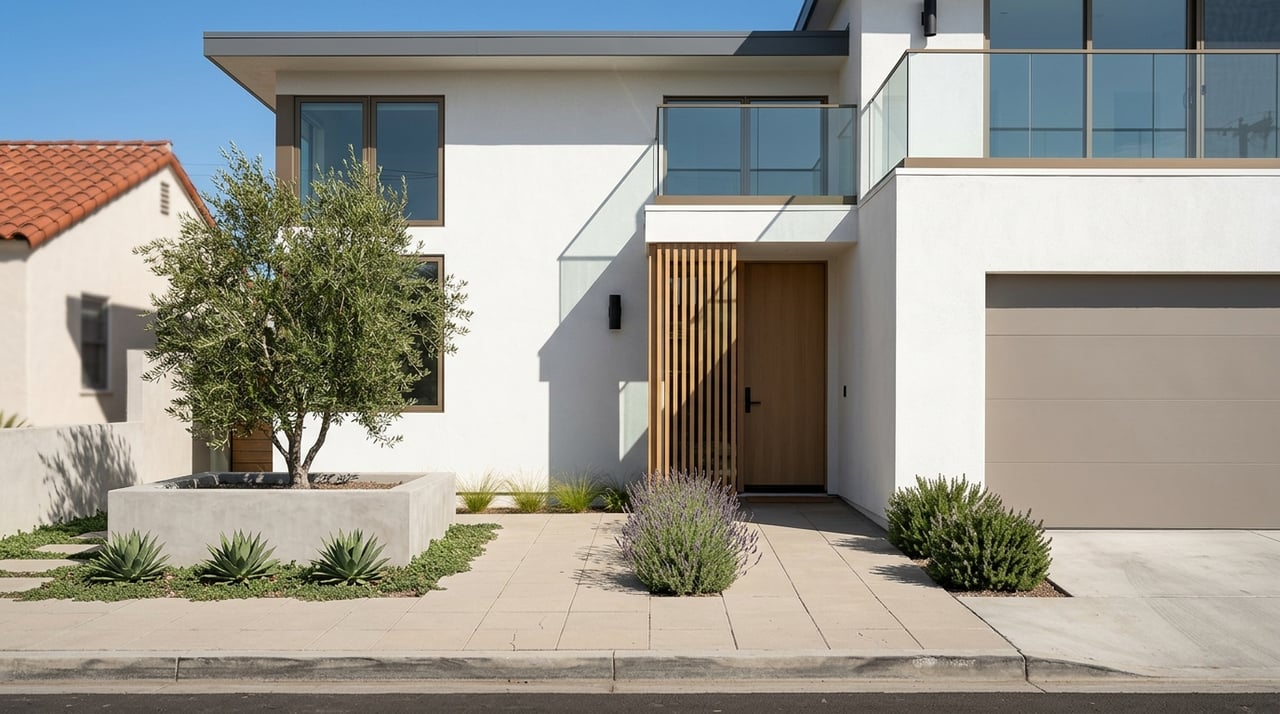
Wondering whether a condo, townhome, or single-family home makes the most sense for your next move in Westchester? You are not alone. In a neighborhood where prices, property styles, and long-term tradeoffs can vary widely, choosing the right fit is about more than finding a certain number of bedrooms. This guide will help you compare Westchester homes with more clarity so you can weigh price, maintenance, space, and future value with confidence. Let’s dive in.
Westchester housing at a glance
Westchester sits within the City of Los Angeles’ Westchester-Playa del Rey Community Plan area, alongside Playa del Rey and Playa Vista. Most of the area’s housing stock was built after World War II, which helps explain the mix of traditional single-family homes and later multifamily development you see today.
The planning backdrop also matters when you compare your options. In the adopted community plan, about 73% of residential land is designated single-family, yet more than 49% of existing dwelling units are in multifamily designations. The city’s draft update emphasizes steering new growth toward transit-served commercial corridors rather than existing single-family neighborhoods, which may shape future supply and neighborhood change over time.
What today’s market suggests
Westchester remains a relatively high-priced and moderately competitive market. Redfin reports a median sale price of $1.631 million for the three months ending May 2026, with homes selling in about 36 days and 41.2% of sales closing above list price.
Zillow offers a slightly different snapshot, showing a typical home value of $1.470 million, homes going pending in about 23 days, and 80 homes for sale as of June 30, 2026. These numbers are not direct apples-to-apples comparisons because the platforms use different methods, but together they show a market where buyers still need to move thoughtfully and sellers still need a smart pricing strategy.
Compare Westchester home types
When you look at Westchester homes, the biggest decision is often not just budget. It is choosing the ownership style that best matches how you want to live. In most cases, the tradeoff comes down to land versus convenience.
Single-family homes
Single-family detached homes are the most land-oriented option. HUD defines this housing type as one living unit surrounded by permanent open space. In practical terms, that often means more privacy, more yard space, and more control over future updates.
That control can be appealing if you want room to personalize the property. It can also matter if you are thinking long term about land value, renovation plans, or simply having more separation from neighbors.
The tradeoff is upkeep. Detached homes generally place the greatest maintenance responsibility on the owner, especially when compared with attached housing that may have shared maintenance through an association.
In the current Westchester listing sample, detached homes range from about $949,000 to $6.399 million. Many active examples fall in the mid-$1 million to $3 million-plus range, with pricing heavily influenced by condition, lot size, and remodel quality.
Townhomes
Townhomes usually sit in the middle of the spectrum. HUD describes row or townhouse-style housing as three or more living units with separate entrances and interior stairs. For many buyers, that creates a more house-like experience than a condo while still reducing some exterior upkeep.
In Westchester, townhomes can be a strong option if you want more space than a condo but do not want the full maintenance load of a detached property. They often appeal to buyers who want multiple levels, more bedrooms, or flexible work-from-home space without stepping all the way into single-family pricing.
The current Westchester-area townhome sample reviewed on Zillow ranges from roughly $599,900 to $1.57 million. Several listings fall between the $600,000s and $1.5 million-plus, with features such as private balconies and shared amenities.
One important budget note is HOA dues. Those dues are usually paid separately from the mortgage, and California HOA rules generally place common-area repair and maintenance on the association unless governing documents say otherwise. That means the purchase price is only part of the monthly cost picture.
Condos and newer attached homes
Condos are often the lowest-maintenance ownership option of the three. They can also offer the lowest entry price, which matters if you want to get into Westchester with a smaller footprint and less exterior upkeep.
This option tends to work well for buyers who prioritize convenience, simpler maintenance, and a more lock-and-leave lifestyle. Many condo listings also highlight features such as open-concept layouts, in-unit laundry hookups, and newer interior updates.
In the current Westchester sample, condos range from about $435,000 to $829,000. Many available units sit in the mid-$500,000s to high-$600,000s for one- and two-bedroom homes, making them materially lower-priced than detached homes in the same area.
The tradeoff is that condo ownership is more association-dependent. Condo dues are usually paid separately from the mortgage and can be a meaningful monthly expense. Shared maintenance may be handled by the association, but building condition, HOA budget, reserves, and overall management quality can play a major role in your experience and future resale value.
A simple way to compare your options
If you are trying to narrow down the right fit, this basic framework can help:
- Choose a single-family home if you value privacy, yard space, and renovation flexibility most.
- Choose a townhome if you want a middle-ground option with more space and less upkeep than a detached home.
- Choose a condo if you want the lowest entry point, simpler maintenance, and a more convenience-focused lifestyle.
The right answer depends on what matters most to you. In Westchester, buyers are often choosing between three ownership experiences, not just three price tiers.
Why long-term value looks different by property type
Long-term value in Westchester is not driven by one factor alone. Price matters, but so do land, maintenance obligations, shared amenities, and the quality of the overall property.
Land and control
Detached homes usually carry the strongest land component. That can make them attractive to buyers who care about future remodeling potential, lot utility, and having more direct control over the property.
Monthly carrying costs
Townhomes and condos may offer a lower purchase price than many detached homes, but you still need to account for HOA dues. A home that looks more affordable upfront can feel different once those recurring costs are added to your monthly budget.
Building and HOA quality
With attached housing, the building itself matters a great deal. For condos especially, factors like reserves, maintenance standards, and shared-area condition can influence both ownership experience and resale appeal.
How new development may affect your choice
Westchester’s future housing mix is worth watching. The City of Los Angeles planning pipeline includes multifamily redevelopment in and around the area, including a 489-unit mixed-use project on West Manchester Boulevard and a 362-unit mixed-use residential project on Sepulveda Boulevard.
These projects are not all condos, but they do point to continued pressure for attached housing. Over time, that may make location, building age, and HOA health even more important when you compare one attached property to another.
For buyers, that means today’s decision should balance current lifestyle needs with how a property may compete in the future. A well-located home with strong overall condition and a clear ownership structure may stand out more over time than one that only looks attractive on entry price.
How to decide what fits your move
If you are planning a move in Westchester, start by getting clear on your top priority. Ask yourself whether you care most about outdoor space, easier upkeep, or a lower starting price.
Then look at the full cost of ownership. That includes not just the purchase price, but also likely maintenance, HOA dues if applicable, and how much flexibility you want over the property itself.
Finally, compare homes as assets as well as places to live. In a market like Westchester, careful pricing analysis and a clear understanding of property type can help you avoid overpaying for features that do not match your long-term goals.
Whether you are buying your first condo, moving into a townhome, or aiming for a detached home with more land, a strong comparison process can make your next move feel much more grounded. If you want strategic guidance backed by valuation insight, Ricky Leung can help you compare Westchester homes with clarity and confidence.
FAQs
What is the main difference between condos, townhomes, and single-family homes in Westchester?
- The biggest difference is the balance between space, maintenance, and control. Single-family homes usually offer more land and privacy, townhomes offer a middle-ground option, and condos usually offer the lowest-maintenance ownership style.
What is the typical price range for Westchester condos?
- In the current Zillow sample cited in the research, Westchester condos range from about $435,000 to $829,000, with many one- and two-bedroom units in the mid-$500,000s to high-$600,000s.
What is the typical price range for Westchester townhomes?
- In the reviewed listing sample, Westchester-area townhomes range from roughly $599,900 to $1.57 million, depending on size, condition, and features.
What is the typical price range for Westchester single-family homes?
- In the current listing sample, detached homes range from about $949,000 to $6.399 million, with many active listings in the mid-$1 million to $3 million-plus range.
Are HOA dues included in a mortgage for Westchester condos and townhomes?
- Usually not. HOA dues are typically paid separately from the mortgage, so you should include them in your monthly housing budget when comparing attached homes.
Is Westchester adding more attached housing in the future?
- City planning and development activity suggests continued multifamily growth in and around Westchester, especially near transit-served commercial corridors, which may influence future housing supply and property comparisons.