Selling in Westchester is not as simple as putting a sign in the yard and waiting for the best offer. Buyers are still active, but they are also paying attention to price, condition, and presentation. If you want to sell with fewer surprises and a stronger strategy, a clear prep plan can make a real difference. Let’s dive in.
Understand the Westchester market first
Before you paint a wall or pack a box, it helps to know the market you are stepping into. Westchester remains a higher-priced pocket within Los Angeles, but it is also a selective one.
Recent data shows why preparation matters. Redfin reported a median sale price of $1,631,951 in May 2026, with homes selling in about 36 days. Zillow showed an average home value of $1,489,748 and homes pending in around 23 days, while Realtor.com reported a $1.795 million median listing price, 103 homes for sale, a 51-day median days-on-market figure, and a 100% sale-to-list ratio in June 2026.
That mix of data suggests a market where well-positioned homes can still perform, but weak pricing or poor presentation can cost you time. Realtor.com calls Westchester a seller’s market, while Redfin describes it as somewhat competitive. In practical terms, that means strategy matters more than assumptions.
Start planning months before you list
A smooth sale usually starts well before your home goes live. Many homeowners begin preparing three to four months ahead of listing, which gives you time to make repairs, gather documents, and choose the right launch window.
For Westchester sellers, winter to early spring can be a smart prep period if your goal is to list in spring. Redfin’s timing data says the West Coast often sees strong listing timing in March, while Zillow’s national analysis found the biggest average sale-price premium in the last two weeks of May. That does not guarantee the same result for every home, but it supports the idea of preparing early instead of rushing.
Step 1: Inspect and identify issues
One of the best first steps is to understand your home’s condition before buyers do. A pre-sale inspection is not required, but it can help uncover issues in the structure, roof, plumbing, electrical, HVAC, ventilation, insulation, or fireplaces.
This kind of early review gives you more control. You can decide what to repair, what to disclose, and what to price around before negotiations begin. It can also reduce the chance that a buyer’s inspection creates last-minute stress.
If you learn that a major item needs attention, keep any repair estimates you receive. Buyers often use those costs in negotiations, so having clear numbers ready can help you respond with confidence.
Step 2: Gather permits and property records
Paperwork matters more than many sellers expect. California’s Transfer Disclosure Statement asks about room additions, structural modifications, and other changes that may have been made without necessary permits.
That means now is the time to collect records for past work on the property. If you remodeled a kitchen, added square footage, updated systems, or changed the layout, gather permits and supporting documents before listing.
You should also pull together warranties, guarantees, and user manuals for any systems or appliances that will stay with the home. Having those ready can help your closing process feel more organized and complete.
Step 3: If you own a condo or townhome, prep HOA documents early
Common-interest properties come with extra documentation. If your Westchester property is a condo, townhome, or another association-governed home, you will likely need governing documents, association financial statements, the operating budget, reserve study, assessment information, unresolved violation notices, and notices tied to construction-defect issues or approved assessment changes.
These items can take time to collect. Starting early can help you avoid delays once you are in contract, especially if buyers want to review the association’s financial health and any pending assessments.
Step 4: Focus on visible updates buyers notice
You do not need a full remodel to make your home more marketable. In many cases, the strongest return comes from simple, visible improvements that help the property feel clean, cared for, and move-in ready.
Research points to practical updates like cleaning windows, carpets, lighting fixtures, and walls, removing clutter, and improving curb appeal with landscaping, paint, and a tidy front entrance. Zillow also highlights quick fixes such as patching paint, fixing loose tiles and handles, tightening leaky faucets, and updating cabinet hardware or light fixtures.
This approach works because buyers tend to notice condition signals right away. Fresh interior paint, cleaner surfaces, and minor repairs can make your home feel better maintained without the cost or uncertainty of a major renovation.
Step 5: Put curb appeal on your checklist
First impressions start before a buyer opens the front door. The exterior of your home sets the tone for photos, drive-bys, and in-person showings.
Simple steps can go a long way:
- Trim landscaping
- Clear walkways and entry areas
- Touch up exterior paint where needed
- Clean the front door and porch
- Replace worn or dated hardware if it stands out
- Make sure exterior lighting works
In a market like Westchester, where buyers may compare several homes in a similar price range, curb appeal can help your property feel more polished from the start.
Step 6: Stage for photos first
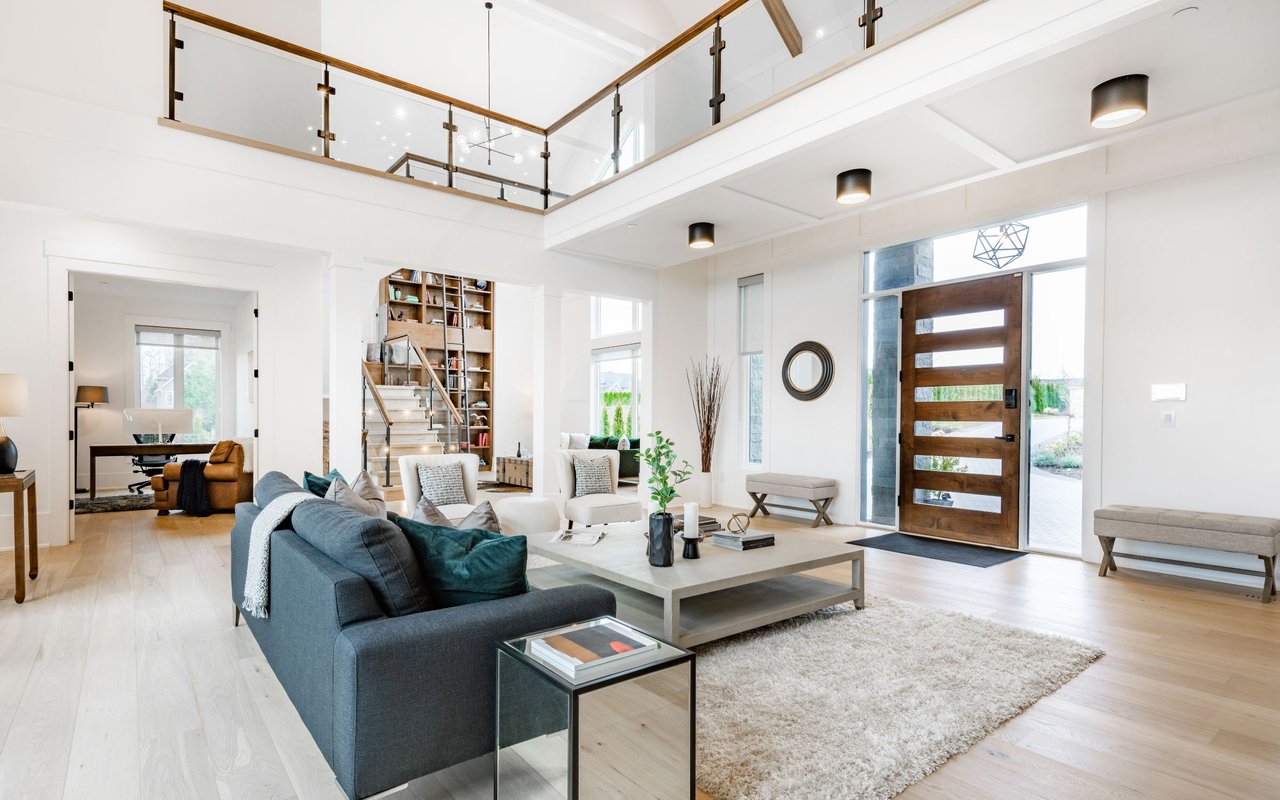
Staging is not just about filling empty rooms. It is about helping buyers picture how the home lives, both online and in person.
That matters because most buyers will meet your home through photos first. NAR’s 2025 survey found that 83% of buyers’ agents said staging made it easier for buyers to envision the property as their future home, 29% reported a 1% to 10% increase in the dollar value offered, and 49% of sellers’ agents said staging reduced time on market.
The rooms that matter most are often the living room, primary bedroom, and kitchen. If you are deciding where to spend time and money, start there.
Step 7: Invest in strong visuals
Once the home is clean and staged, presentation becomes your marketing engine. Buyers’ agents rate photos, physical staging, videos, and virtual tours as highly important, which means your listing materials need to do more than document the space.
They need to create interest. In Westchester, where homes often compete on layout, condition, and lifestyle appeal, strong visuals can help your property stand out before a showing is ever scheduled.
Step 8: Price to today’s market
Pricing is one of the most important decisions you will make. A home can be beautifully prepared, but if it is priced too high, it may sit longer and lose momentum.
Zillow warns that overpricing usually lengthens market time and recommends setting a deadline for a price reduction before listing. For Westchester, pricing should be based on recent sold comparables, active competing listings, and how long similar homes are taking to move.
This is where local analysis matters. A citywide number for Los Angeles is not enough when Westchester operates at a different price point and pace. A disciplined pricing strategy should reflect your specific home, your competition, and current buyer behavior.
Step 9: Choose your launch timing carefully
When your home hits the market can shape early activity. Zillow notes that Thursday listings tend to go pending faster, while Sunday listings often sit the longest.
That does not mean every home should launch on a Thursday no matter what. It does mean timing should be part of the plan, along with photography, staging, pricing, and showing readiness. The goal is to enter the market when your home can make the strongest first impression.
Step 10: Prepare for California disclosures
California sellers have important disclosure responsibilities, and it is smart to get ahead of them early. Sellers of one- to four-unit residential property must deliver the Real Estate Transfer Disclosure Statement on the statutory form.
California also requires the Natural Hazard Disclosure Statement for mapped hazard zones. If your home was built before 1978, federal law requires disclosure of known lead-based paint hazards, delivery of the EPA pamphlet, and a 10-day window for the buyer to inspect or assess for lead-based paint hazards.
These disclosure steps are a routine part of the process, but they move more smoothly when documents are prepared in advance. A well-organized file can help reduce delays and keep buyer questions manageable.
Step 11: Know the transfer tax picture
Closing costs should be part of your prep conversation from the beginning. Because Westchester is in the City of Los Angeles, sellers should plan for transfer taxes.
Los Angeles County levies documentary transfer tax at $0.55 per $500 of value, and the City of Los Angeles base real property transfer tax is 0.45%. For transactions closing after June 30, 2026, Measure ULA adds 4% above $5.4 million and 5.5% at or above $10.9 million.
For many Westchester sellers, ULA may only come into play at the upper end of the market. Still, if your home may price in that range, it is important to account for it early as part of your net proceeds strategy.
A practical Westchester seller checklist
If you want a simple roadmap, here is a clean way to think about your prep:
- Start planning 3 to 4 months before listing
- Review likely listing timing and launch goals
- Get a pre-sale inspection if it makes sense for your situation
- Gather permits, warranties, manuals, and repair records
- Collect HOA documents if the property is in an association
- Declutter, deep clean, and complete minor repairs
- Refresh paint and improve curb appeal where needed
- Stage key rooms, especially for photography
- Build a pricing strategy around current Westchester comps
- Prepare California disclosure documents early
- Review transfer taxes and expected closing costs
Why a measured strategy matters in Westchester
Westchester can reward sellers, but it does not tend to reward guesswork. With median pricing well above Los Angeles overall and marketing times that vary by source, the neighborhood calls for careful positioning rather than a one-size-fits-all plan.
That is why preparation is about more than appearance. It is about valuation, timing, documentation, and the ability to respond calmly once buyers begin asking questions and writing offers.
If you are thinking about selling your Westchester home, the right plan starts with understanding where your property fits in today’s market. For a tailored pricing and preparation strategy, connect with Ricky Leung.
FAQs
When should you start preparing to sell a home in Westchester?
- A good planning window is about three to four months before your intended list date, especially if you want to target a spring launch.
Do you need a major remodel before selling a Westchester home?
- No. The strongest support in the research is for cleaning, decluttering, paint, minor repairs, staging, and strong photography rather than a full renovation.
Does staging help when selling a Westchester property?
- Yes. NAR’s 2025 survey found that staging helped buyers visualize the home, and many agents reported higher offers and faster sales.
What disclosures do California sellers need for a Westchester sale?
- California sellers generally need the Transfer Disclosure Statement, the Natural Hazard Disclosure Statement, and lead-based paint disclosures for homes built before 1978.
What documents should Westchester condo or townhome sellers gather early?
- Sellers should gather association governing documents, financial statements, the operating budget, reserve study, assessment information, unresolved violation notices, and other required association materials.
What transfer taxes should you expect when selling in Westchester, Los Angeles?
- Sellers should plan for Los Angeles County documentary transfer tax, the City of Los Angeles transfer tax, and possibly Measure ULA if the sale price is above the applicable threshold.